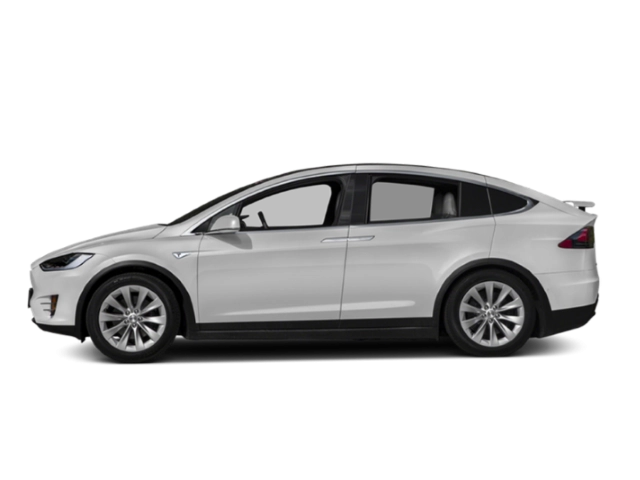
2026 Tesla Model X Owner's Manual
2026 Tesla Model X owners manual
Year:
2026
Make:
Tesla
Model:
Model X

Online manual

Size:
10.33 MB

Table of Contents

Overview
5
Exterior
5
Interior
6
Touchscreen
8
Customizing My Apps
9
Top Status Bar Icons
9
Popup Messages and Vehicle Alerts
10
Restarting the Touchscreen
10
Tilt the Touchscreen (if equipped)
11
Rear Touchscreen
11
Control the rear screen from the front
12
Customizing Display and Sound Settings
12
Naming your Vehicle
12
Interior Electronics
13
USB Ports
13
Wireless Phone Chargers
13
Accessory Power
14
Low Voltage Power Outlet
14
Active Road Noise Reduction
14
Instrument Panel
16
Instrument Panel Overview
16
Instrument Panel - Driving
17
Indicator Lights
18
Voice Commands
22
Voice Commands
22
Examples of Voice Commands
22
Climate Controls
22
Windshield Wipers
22
Vehicle Controls
22
Navigation
22
Contacts
23
Media
23
Apps and Settings
23
Cameras
24
Cabin Camera
24
Front-Facing Camera
24
Automatic Blind Spot Camera
24
Drive to Calibrate Cameras
24
Keeping Cameras Free of Obstructions
25
Opening and Closing
26
Keys
26
Types of Keys
26
Phone Key
26
Phone Left on Wireless Charger
26
Key Card
26
Key Fob
27
Passive Locking and Unlocking
29
Attaching a Lanyard
29
Managing Keys
29
Add a Phone Key
29
Adding Keys from the Touchscreen
30
Adding Keys from the Mobile App
30
Removing Keys
30
Replacing the Key Fob Battery
30
Replacing Key Cards and Key Fobs
31
Doors
32
Opening and Closing Front Doors from Outside
32
Opening and Closing Front Doors from Interior
32
Opening and Closing Falcon Wing Doors
32
Obstacle Detection
34
Calibration
34
Front Door Reset
34
Interior Locking and Unlocking
35
Walk-Away Door Lock
35
Drive Away Locking
35
Driver Door Unlock Mode
35
Car Left Open Notifications
35
Child Locks
35
Unlock on Park
35
Windows
36
Opening and Closing
36
Locking Rear Windows
36
UV Index Rating
36
Sun Visors
37
Storage Areas
38
Rear Trunk
38
Opening
38
Hands-Free Trunk
38
Adjusting Liftgate Opening Height
39
Closing
39
Accessing the Cargo Area
39
Rear Trunk Load Limits
40
Front Trunk
41
Opening
41
Hands-Free Frunk
41
Closing
41
Load Limits
42
Interior Emergency Release
42
Interior Storage
43
Center Console
43
Glovebox
43
Coat Hangers
43
Seating and Safety Restraints
44
Front and Rear Seats
44
Correct Driving Position
44
Adjusting Front Seats
44
Calibrating Seats
45
Adjusting Second Row Seats (Bench)
45
Folding Second Row Seats (Bench)
45
Moving Second Row Seats (Bench)
45
Adjusting Second Row Seats (Monopost)
46
Accessing Third Row Seats (if equipped)
46
Bench Seats
46
Monopost Seats
47
Folding Third Row Seats (if equipped)
47
Seat Heaters
47
Seat Covers
48
Seat Belts
49
Wearing Seat Belts
49
Seat Belt Reminders
49
To Fasten a Seat Belt
49
To Adjust the Shoulder Anchor Height
49
To Release a Seat Belt
50
Wearing Seat Belts When Pregnant
50
Seat Belt Pre-tensioners
50
Testing Seat Belts
50
Seat Belt Warnings
51
Child Safety Seats
52
Guidelines for Seating Children
52
Choosing a Child Safety Seat
52
Seating Larger Children
53
Installing Child Safety Seats
53
Installing Seat Belt Retained Child Seats
54
Installing LATCH Child Seats (Second Row)
54
Installing LATCH Child Seats (Third Row)
56
Attaching Upper Tether Straps
57
Testing a Child Safety Seat
58
Child Safety Seat Warnings
58
Airbags
60
Location of Airbags
60
How Airbags Work
61
Types of Airbags
61
Airbag Status Indicator
61
Front Passenger Occupant Detection
61
Ensuring Accurate Occupant Detection
63
Examples of Correct and Incorrect Seating Positions
63
Inflation Effects
64
Airbag Warnings
64
Connectivity
66
Mobile App
66
To Use the Mobile App
66
Mobile App for Apple Watch
66
Overview
66
Profile
66
Controls
67
Climate
67
Location
67
Summon
67
Schedule
67
Security
67
Upgrades
68
Service
68
Roadside
68
Granting Access to a Second Driver
68
Wi-Fi
69
Diagnostics
69
Hotspots
69
Troubleshooting Tips
69
Bluetooth
70
Bluetooth® Compatibility
70
Pairing a Phone or Bluetooth Device
70
Importing Contacts and Recent Calls
70
Disconnecting or Unpairing a Bluetooth Device
70
Switching Between Paired Devices
71
Troubleshooting Bluetooth
71
Smartphone Troubleshooting
71
Tesla Mobile App Troubleshooting
71
Vehicle Troubleshooting
71
Phone, Calendar, and Web Conferencing
72
Using the Phone App
72
Making a Phone Call
72
Receiving a Phone Call
72
In Call Options
72
Calendar
72
Zoom
73
Smart Garage
74
myQ
74
HomeLink Universal Transceiver
74
Supported Modes
74
Programming HomeLink
74
Auto Opening and Closing
75
Resetting the Location of the HomeLink Device
75
Deleting a Device
75
Troubleshooting HomeLink
76
Standard Mode
76
D-Mode and UR-Mode
76
Driving
77
Starting and Powering Off
77
Starting
77
Drive Disabled - Requires Authentication
77
Powering Off
77
Power Cycling the Vehicle
77
Steering Yoke (or Steering Wheel)
79
Adjusting the Steering Yoke (or Steering Wheel) Position
79
Using the Touchscreen
79
Adjusting Steering Weight
79
Overview of Buttons
79
Left Scroll Button
80
Left Scroll Button Customization
80
Right Scroll Button
80
Heated Steering Yoke (or Steering Wheel)
80
Horn
80
Mirrors
82
Adjusting Exterior Mirrors
82
Auto Dim and Auto Tilt
82
Folding Mirrors
82
Interior Mirrors
82
Rear View Mirror
82
Vanity Mirrors
82
Shifting
83
Shift Using the Touchscreen
83
Auto Shift (Beta)
83
Shift Using the Center Console
84
Park
84
Drive
84
Reverse
84
Neutral
84
Keeping Your Vehicle in Neutral (Tow Mode)
85
Lights
86
Controlling Lights
86
High Beam Headlights
87
Adaptive Headlights
87
Rear Reading Lights
87
Turn Signals
87
Hazard Warning Flashers
88
Condensation in Head or Tail Lights
88
Wipers and Washers
89
Wipers and Washers
89
Braking and Stopping
90
Braking Systems
90
Emergency Braking
90
Brake Disc Wiping
91
Hydraulic Fade Compensation
91
Hydraulic Boost Compensation
91
Regenerative Braking
91
Parking Brake
92
Brake Wear
92
Air Suspension
93
Adjusting Ride Height
93
Ride & Handling
93
Auto-Raising Locations
93
To remove an auto-raising location
94
Self-Leveling
94
Park Assist
95
Tesla Vision Park Assist
95
Visual and Audio Feedback
95
Controlling Audible Feedback
96
Limitations and False Warnings
96
Other Parking Aids
96
Vehicle Hold
97
Traction Control
98
What It Is
98
How It Works
98
Allowing Wheel Slip
98
Drive Modes
99
Drag Strip Mode
99
How to Launch the Vehicle
99
Driver Profiles
100
Selecting Between Driver Profiles
100
Using Tesla Profiles
100
Saved Settings
100
Linking a Driver Profile to a Key
101
Easy Entry
101
Valet Mode
101
Starting Valet Mode
101
Canceling Valet Mode
101
Trip Information
103
Displaying Trip Information
103
Odometer
103
Rear Facing Camera(s)
104
Camera Location
104
Pedestrian Warning System
105
Towing and Accessories
106
Carrying Accessories
106
Towing Capacity
107
Tire Pressures when Towing
108
Before Towing a Trailer
108
Trailer Mode
108
Trailer Brakes
109
Towing Guidelines
110
Parking with a Trailer
110
Trailer Sway Mitigation
110
Connecting the Tow Hitch
111
Disconnecting the Tow Hitch
112
Attaching and Removing the Ball Mount
113
Electrical Connections
113
Impact on Range
114
Autopilot
115
About Autopilot
115
How It Works
115
Autopilot Conditions
116
AutopilotFeatures
118
Autopilot Settings
118
Traffic-Aware Cruise Control
118
Autosteer
119
Auto Lane Change
119
Navigate on Autopilot
120
Canceling Autopilot
121
While Using Autopilot
122
Maintaining the Set Speed
122
Changing the Set Speed
122
Adjusting the Following Distance
122
Stopping and Slowdowns
123
Cruising Near or On Exits
123
Overtake Acceleration
123
Stop Light and Stop Sign Warning
124
Emergency Vehicles
124
Take Over Immediately
124
Driver Attentiveness
124
Autopilot Suspension
124
Traffic Light and Stop Sign Control
126
Before Using
126
How it Works
126
Traffic Lights
128
Stop Signs and Road Markings
130
Limitations
131
Full Self-Driving (Supervised)
133
Before Using Full Self-Driving (Supervised)
133
Choosing a Speed Profile
134
Starting Full Self-Driving (Supervised)
134
Starting Full Self-Driving (Supervised) from the Touchscreen
134
While Using Full Self-Driving (Supervised)
135
Changing Lanes
135
Take Over Immediately
135
Arriving at Your Destination
135
Canceling Full Self-Driving (Supervised)
136
Driver Attentiveness
136
Autopilot Suspension
136
Autopark
138
Parameters
138
To Use Autopark
138
To Cancel Parking
139
Take Over Immediately
139
Summon
140
Before Using Summon
140
Operating Range
140
Using Summon
141
Limitations and Warnings
142
Limitations and Warnings
144
Traffic-Aware Cruise Control
144
Autosteer
145
Auto Lane Change
145
Stop Light and Stop Sign Warning
146
Navigate on Autopilot
146
Full Self-Driving (Supervised) (Autosteer on City Streets)
146
Autopark
147
Active Safety Features
148
Lane Assist
148
Steering Interventions
148
Lane Departure Avoidance
148
Emergency Lane Departure Avoidance
148
Blind Spot Assist
149
Blind Spot Collision Warning Chime
149
Blind Spot Warning Light
149
Limitations and Inaccuracies
149
Collision Avoidance Assist
151
Forward Collision Warning
151
Automatic Emergency Braking
152
Multi-Collision Braking
152
Rear Cross-Traffic Alert
152
Obstacle-Aware Acceleration
153
Limitations and Inaccuracies
153
Speed Assist
155
How Speed Assist Works
155
Controlling Speed Assist
155
Limitations and Inaccuracies
155
Cabin Camera
156
Dashcam, Sentry, and Security
157
Safety & Security Settings
157
About the Security System
157
Tilt/Intrusion (if equipped)
157
Enhanced Anti-Theft Upgrade (if equipped)
157
Parental Controls
157
PIN to Drive
158
Glovebox PIN
158
Speed Limit Mode
158
Clear Browser Data
158
Dashcam
159
How to Use Dashcam
159
Sentry Mode
161
How to Use Sentry Mode (With a USB Flash Drive)
161
How to Use Sentry Mode (Without a USB Flash Drive)
161
Sentry Mode Settings
162
USB Drive Requirements for Recording Videos
163
Automatically Formatting a USB Drive
163
Manually Formatting a USB Drive
163
Viewing Video Recordings
163
Viewing on the Touchscreen
163
Viewing on a Computer
163
Climate
165
Operating Climate Controls
165
Overview of Climate Controls
165
Adjusting Climate Control Settings
165
Climate Popup
167
Keep Climate On, Dog, and Camp
167
Cabin Overheat Protection
168
Climate Control Operating Tips
168
Adjusting the Front and Rear Vents
170
Cabin Air Filter(s)
171
Cold Weather Best Practices
172
Before Driving
172
Charge Port
172
Charging
172
Windows
172
Mirrors
172
Wipers
172
Tires and Tire Chains
173
While Driving
173
Regenerative Braking
173
Cold Battery
173
After Driving
173
Scheduled Precondition
173
Storage
173
Hot Weather Best Practices
174
Before Driving
174
After Driving
174
Charging
174
Storage
174
Navigation and Entertainment
175
Maps and Navigation
175
Map Overview
175
Map Display
175
Navigation Settings
175
Navigating to a Destination
176
Selecting an Alternate Route
177
Adding Stops to a Route
177
Automatic Navigation
177
Lucky and Hungry
178
Home, Work, and Favorite Destinations
178
Charging Locations
178
Predicting Energy Usage
179
Online Routing
180
Trip Planner
180
Map Updates
181
Media
182
Overview
182
Volume Controls
182
Media Settings
182
Searching Audio Content
183
SiriusXM Satellite Radio (if equipped)
183
Caraoke
183
Grok (Beta)
183
Recents and Favorites
183
Playing Media from Devices
183
USB Flash Drives
184
Bluetooth Connected Devices
184
Theater, Arcade, and Toybox
185
Overview
185
Toybox
185
Boombox
186
Uninstall Games
187
Gaming Controllers and Headphones
187
Charging and Energy Consumption
188
Electric Vehicle Components
188
High Voltage Components
188
Charging Equipment
189
High Voltage Battery Information
190
Battery Care
190
Tips to Maximize High Voltage Battery Health
190
Temperature Limits
191
Energy Saving Feature
191
Submerged Vehicle
191
Battery Warnings and Cautions
191
Charging Instructions
192
Opening the Charge Port
192
Plugging In
192
Charge Port Light
193
Charging Status
193
During Charging
194
Stopping Charging
194
Charge Settings
195
Supercharger Fees
196
Third Party Chargers
196
Manually Releasing Charge Cable
197
Charging Best Practices
197
Scheduled Precondition and Charge
199
Create a Schedule
199
Using Scheduled Charging
199
Preconditioning
199
Getting Maximum Range
201
Factors Affecting Energy Consumption
201
Tips to Maximize Range
201
Range Assurance
201
Energy App
202
Low Power Mode
202
High Voltage Battery Health
203
Running the Battery Health Test
203
Understanding Results
203
Maintenance
204
Software Updates
204
Loading New Software
204
Downloading vs. Installing New Software
204
Software Update Preferences
204
Charging
204
Viewing Release Notes
204
Maintenance Service Intervals
205
Service Intervals
205
Schedule Service
205
Daily Checks
205
Weekly Checks
205
Monthly Checks
205
Periodic Checks
206
Maintenance Summary
206
Fluid Replacement Intervals
206
Software
206
High Voltage Safety
206
Tire Care and Maintenance
207
Displaying Tire Pressures
207
Maintaining Tire Pressures
207
Checking and Adjusting Tire Pressures
207
Inspecting and Maintaining Tires
208
Tire Wear
208
Tire Rotation, Balance, and Wheel Alignment
208
Punctured Tires
208
Flat Spots
208
Improving Tire Mileage
208
Replacing Tires and Wheels
208
Asymmetric Tires
209
Removing and Installing Wheel Covers
209
Removing and Installing Lug Nut Covers
210
Wheel Configuration
210
Tire Configuration
211
Tire Pressure Monitoring
211
TPMS Malfunction
211
Automatic Reset of TPMS Sensors
211
Replacing a Tire Sensor
212
Seasonal Tire Types
212
Understand Your Tire Type
212
Summer and All-Season Tires
212
Winter Tires
212
Driving in Low Temperatures
212
Using Tire Chains
212
Cleaning
214
Cleaning the Exterior
214
Window Cleaning and Treatments
214
Car Wash Mode
214
Cleaning a Camera
214
Cautions for Exterior Cleaning
214
Cleaning the Interior
215
Interior Glass
215
Airbags
215
Steering Yoke (or Steering Wheel)
215
Dashboard and Plastic Surfaces
215
Interior Lighting
215
Seats
216
Carpets
216
Seat Belts
216
Door Seals
216
Touchscreen, Rear Touchscreen, and Instrument Panel
216
Chrome and Metal Surfaces
216
Cautions for Interior Cleaning
217
Polishing, Touch Up, and Body Repair
217
Using a Car Cover
217
Floor Mats
217
Windshield Wiper Blades, Jets and Fluid
218
Topping Up Windshield Washer Fluid
218
Checking and Cleaning Wiper Blades
218
Replacing Wiper Blades
218
Cleaning Washer Jets
219
Jacking and Lifting
220
Jack Mode
220
Parts and Accessories
221
Parts, Accessories, and Modifications
221
Body Repairs
221
Replacing Cabin Air Filters
221
Using RFID Transponders
221
Temporary Tire Repair Kit
222
Tire Repair
222
Tire Inflation
222
Canister Replacement
223
Do It Yourself Maintenance
224
Service Mode
224
Specifications
225
Identification Labels
225
Vehicle Identification Number
225
Emission Control Label
225
Vehicle Loading
226
Vehicle Labeling
226
Tire and Loading Information Label
226
Vehicle Certification Label
226
Steps for Determining the Correct Load Limit
226
Dimensions
228
Exterior Dimensions
228
Interior Dimensions
229
Cargo Volume
229
Subsystems
231
Motor Type
231
Transmission
231
Steering
231
Brakes
231
Suspension
232
Battery - Low Voltage
232
Battery - High Voltage
232
Wheels and Tires
233
Wheel Specifications (Factory)
233
Tire Specifications (Factory)
233
Understanding Tire Markings
234
Uniform Tire Quality Grading
236
Treadwear
236
Traction
236
Temperature
236
Tire and Loading Glossaries
236
General Wheel and Tire Terms
236
Load Carrying Definitions
237
Pneumatic Radial Tire Definitions
237
Instructions for Transporters
240
Instructions for Transporters
240
DO NOT TRANSPORT WITH WHEELS ON THE GROUND
240
Approved Methods for Transporting
240
Disable the Self-Leveling Air Suspension System
240
Activate Tow Mode
241
Pull Onto Flatbed Truck From Front (Using Tow Eye)
241
Pull onto the Flatbed Truck From Front (Without Tow Eye)
242
Pull Onto Flatbed Truck From Rear
242
Secure the Tires
242
If Vehicle Has No Power
243
Regional Phone Number(s)
244
In Case of Emergency
245
Contacting Tesla Roadside Assistance
245
Running Out of Range
245
Opening the Hood with No Power
246
Opening the Hood with No Power
246
Jump Starting
247
Follow these steps:
247
Opening Doors with No Power
249
Opening a Front Door with No Power
249
Opening a Rear Door with No Power
249
Submerged Vehicle Guidance
250
Best Practices to Prepare for Potential Flooding
250
Handling a Submerged Vehicle
250
Troubleshooting
251
Troubleshooting Alerts
251
APP_w009Automatic Emergency Braking is unavailableFeature may be restored on next drive
251
APP_w048Autopilot features temporarily unavailableFeatures may be restored on next drive
251
APP_w207Autosteer temporarily unavailable
251
APP_w218Autosteer speed limit exceededTake control of steering wheel
252
APP_w222Cruise control unavailableReduced front camera visibility
252
APP_w224Cruise control unavailableContinue driving to allow cameras to calibrate
253
APP_w304Camera blocked or blindedClean camera or wait for it to regain visibility
253
APP_w396Front camera visibility limitedAutopilotfeatures may be limited
254
BMS_a067High voltage battery performance limitedOK to drive - Schedule service soon
255
BMS_a068High voltage battery requires serviceAcceleration and charging performance reduced
255
BMS_a069Battery charge level lowCharge now
256
BMS_a074Maximum battery charge level reducedOK to drive - Schedule service
256
BMS_a079Unable to charge - Maximum charge level reachedReduced maximum charge level - Schedule service
256
CC_a001Unable to charge - Insufficient groundingProper wiring or outlet grounding must be verified
257
CC_a002Unable to charge - Insufficient groundingDisconnect and retry or use different equipment
257
CC_a003Unable to charge - Wall Connector GFCI trippedDisconnect and retry or use different equipment
257
CC_a004Unable to charge - Wall Connector issueWall Connector needs service
258
CC_a005Unable to charge - Wall Connector GFCI trippedDisconnect and retry or use different equipment
258
CC_a006Unable to charge - Wall Connector overcurrentDisconnect and retry or use different equipment
258
CC_a007Unable to charge - Input voltage too highVoltage must be within Wall Connector rating
259
CC_a008Unable to charge - Input voltage too lowVoltage must be within Wall Connector rating
259
CC_a009Unable to charge - Input wired incorrectlyInput wiring to Wall Connector must be corrected
259
CC_a010Unable to charge - Wall Connector issueWall Connector needs service
259
CC_a011Unable to charge - Wall Connector too hotLet Wall Connector cool and try again
260
CC_a012Unable to charge - Wall connection too hotOutlet or Wall Connector wiring must be checked
260
CC_a013Unable to charge - Charge handle too hotCheck charge handle or charge port for debris
261
CC_a014Unable to charge - Wall Connector issueWall Connector needs service
261
CC_a015Unable to charge - Vehicle connection issueInsert charge handle fully into charge port
261
CC_a016Unable to charge - Vehicle connection issueInsert charge handle fully into charge port
262
CC_a017Unable to charge - Vehicle connection issueInsert charge handle fully into charge port
262
CC_a018Unable to charge - Vehicle connection issueInsert charge handle fully into charge port
262
CC_a019Unable to charge - Vehicle connection issueInsert charge handle fully into charge port
263
CC_a020Unable to charge - Wall Connector issueWall Connector needs service
263
CC_a021Unable to charge - No primary Wall ConnectorCheck that primary unit is powered and available
264
CC_a022Unable to charge - More than 1 primary unitEnsure only 1 Wall Connector is set as primary
264
CC_a023Unable to charge - Too many Wall ConnectorsEnsure no more than 3 units paired with primary
264
CC_a024Unable to charge - Low Wall Connector currentPrimary unit current setting must be increased
265
CC_a025Unable to charge - Wall Connector issueWall Connector needs service
265
CC_a026Unable to charge - Wall Connector issueWall Connector needs service
266
CC_a027Unable to charge - Wall Connector issueWall Connector needs service
266
CC_a028Unable to charge - Incorrect switch settingWall Connector rotary switch must be adjusted
267
CC_a029Unable to charge - Vehicle connection issueInsert charge handle fully into charge port
267
CC_a030Unable to charge - Primary / paired unit mismatchWall Connector current ratings must match
267
CC_a041Charge rate reduced - Wall connection hotOutlet or Wall Connector wiring must be checked
268
CC_a043Wall Connector configuration must be completedRefer to Installation Guide to enable charging
268
CP_a004Charging equipment not recognizedTry again or try different equipment
268
CP_a010Charging equipment communication errorTry again or try different equipment
269
CP_a043Charge port door sensor faultCharge port may not operate as expected
269
CP_a046Charging equipment communication lostCheck power source and charging equipment
270
CP_a051Charge port may not open when pressedUse another method to open the charge port
270
CP_a053Unable to charge - Charge station not poweredCheck power source or try a different station
271
CP_a054Charge port latch not engagedFully insert charge cable or check for obstruction
271
CP_a055Charging equipment communication lostCheck power source and charging equipment
272
CP_a056Charging stopped - Charge cable disconnectedClose charge port - Press brake pedal and retry
272
CP_a058Unable to AC charge - System will retry shortlyDisconnect and retry or use different equipment
273
CP_a066Charging equipment not readySee equipment instructions to start charging
273
CP_a078Cable blocked - Charge port latch may be frozenTry using Defrost Car button in Mobile App
274
CP_a079Charge rate reduced - Charge port may be frozenTry using Defrost Car button in Mobile App
275
CP_a101Charge rate reduced - Wall connection hotOutlet or Wall Connector wiring must be checked
275
CP_a102Unable to charge - Wall connection too hotOutlet or Wall Connector wiring must be checked
276
CP_a133Unable to charge - Vehicle connection issueInsert charge handle fully into charge port
276
CP_a139Charging equipment reports errorCheck equipment for error code or message
276
CP_a141Charging equipment reports errorCheck equipment for error code or message
277
CP_a143Charging adapter has electric arc flash hazardUse different charging equipment
277
CP_a146Charging station reports errorCheck charging station for error code or message
278
CP_a151Charge port error detected - Service is requiredAC charging may not function / OK to Supercharge
279
CP_a164Charge handle still detected after unlatch requestUse charge port manual release cable if needed
279
DI_a138Front motor disabled - OK to driveVehicle power may be limited
280
DI_a166Vehicle automatically parked to prevent rollawayFasten seatbelt and close door to stay in gear
280
DI_a175Cruise control unavailable
281
DI_a184Autopark canceledTake control
281
DI_a185Autopark Aborted
282
DI_a190Rear tire tread depth low - Schedule serviceInspect tires for rotation/replacement
282
DI_a245Vehicle Hold feature unavailableKeep brake pedal pressed while stopped
283
DI_a250Adaptive ride control disabledDrive with caution
283
DIF_a251 / DIR_a251 / DIREL_a251 / DIRER_a251Gearbox fluid service recommendedSchedule Service
284
EPBL_a195 / EPBR_a195Vehicle automatically parked to prevent rollawayFasten seatbelt and close door to stay in gear
284
ESP_a118Assist for low brake performance activatedTo stop, keep brake pedal firmly pressed
284
PCS_a016Cannot charge - Poor grid power quality possibleRetry / Try other charge location or Supercharging
285
PCS_a017Charging stopped - Power lost while chargingCheck power source and charging equipment
286
PCS_a019Power grid or vehicle issue limiting AC chargingUnplug and retry / Try different charging location
286
PCS_a032Poor electric grid power quality detectedTry different charging station or location
287
PCS_a052External charging equipment not providing powerCheck power source or try different equipment
288
PCS_a053Charge rate reduced - Unexpected voltage dropRemove extension cords / Have wiring inspected
288
PCS_a054Charging stopped due to large voltage dropRemove extension cords / Have wiring inspected
289
PCS_a073External charging equipment error detectedTry different charging equipment
289
PCS_a090Charging slowed - Some AC phases not poweredCheck power source and charging equipment
290
PM_a092 / PMF_a092 / PMR_a092 / PMREL_a092 / PMRER_a092Powertrain issue detected - Schedule serviceIssue may persist even if functionality is restored
290
TAS_a313Adaptive ride control degradedRide comfort may be reduced
291
TAS_a314Adaptive ride control disabledDrive with caution
291
UI_a004Front trunk openProceed with caution
291
UI_a006Service is requiredSchedule service now
292
UI_a137Active service connection to vehicleService performing remote diagnostics
292
UMC_a001Unable to charge with Mobile ConnectorInadequate outlet grounding - Try another outlet
292
UMC_a002Unable to charge - Mobile Connector GFCI trippedUnplug charge handle from charge port and retry
293
UMC_a004Unable to charge with Mobile ConnectorVoltage too high / Try a different wall outlet
293
UMC_a005Unable to charge with Mobile ConnectorVoltage too low / Try a different wall outlet
294
UMC_a007Mobile Connector control box temperature highLet Mobile Connector cool to resume charging
294
UMC_a008Unable to charge - Wall plug temperature highWall outlet and wiring inspection recommended
295
UMC_a009Cannot charge - Charge handle temperature highCheck charge handle or charge port for debris
295
UMC_a010Mobile Connector to adapter connection hotLet cool - Plug adapter fully into Mobile Connector
295
UMC_a011Charging equipment communication errorTry again or try different equipment
296
UMC_a012Charging equipment communication errorTry again or try different equipment
297
UMC_a013Wall plug adapter error - Charge rate reducedPlug adapter fully into Mobile Connector and retry
297
UMC_a014Wall plug adapter error - Charge rate reducedPlug adapter fully into Mobile Connector and retry
298
UMC_a015Wall plug adapter error - Charge rate reducedPlug adapter fully into Mobile Connector and retry
298
UMC_a016Mobile Connector control box temperature highMaximum charge rate reduced
299
UMC_a017Charge rate reduced - Wall plug temperature highWall outlet and wiring inspection recommended
299
UMC_a018Charge rate reduced - Handle temperature highCheck charge handle or charge port for debris
300
UMC_a019Mobile Connector to adapter connection hotMaximum charge rate reduced
300
UMC_a040Mobile connector inadequately groundedConnect to grounded outlet
301
VCBATT_a180Electrical system power reducedVehicle may shut down unexpectedly
301
VCBATT_a182Schedule service to replace low voltage batterySoftware will not update until battery is replaced
301
VCBATT_a191Electrical system power reducedVehicle shutting down
302
VCFRONT_a192Electrical system is unable to support all featuresSwitching off features to conserve energy
302
VCBATT_a220Electrical system is unable to support all featuresSchedule service
303
VCFRONT_a396Coolant low - Schedule serviceClimate/driving performance may be limited
303
VCBATT_a402Electrical system backup power is unavailableVehicle will consume more energy while idle
304
VCBATT_a496Vehicle is preparing to shut downPULL OVER SAFELY
304
VCSEC_a221Air pressure below recommendation for tiresCheck pressure and refill air as needed
305
VCSEC_a228Air pressure in tires very lowPULL OVER SAFELY - Check for flat tire
305
Consumer Information
307
About this Owner Information
307
Document Applicability
307
Illustrations
307
Feature Availability
307
Errors or Inaccuracies
307
Location of Components
307
Copyrights and Trademarks
307
Feature Availability Statement
309
Disclaimers
310
Event Data Recorder (EDR)
310
Vehicle Telematics
310
Data Sharing
310
Sound Detection
311
Quality Control
311
Unreal Engine
311
Sound Library
311
Emoticons
311
California Proposition 65
311
Reporting Safety Defects
312
Contacting Tesla
312
Reporting Safety Defects - US
312
Reporting Safety Defects - Canada
312
Transferring Ownership
313
Claiming Ownership of a Pre-Owned Tesla
313
Manage Vehicle Ownership
314
Certification Conformity
314
FCC and ISED Certification
314
Radiation Exposure Statement
315
Déclaration d'exposition aux radiations
315
Radio Frequency Information
315
Canada
315
Mexico
316
Index
317

2026 Tesla Model X Overview

Owner's Manual

The Owner's Manual for the 2026 Tesla Model X explains safe operation, routine care, and essential vehicle functions. It clarifies fundamental controls, recommended charging practices, battery care tips, and the proper use of driver assistance features. The manual highlights maintenance intervals, tire specifications, and emergency procedures while advising on loading and towing limits. Reading it helps owners avoid misuse, optimize range, preserve component life, and maintain safety. Regular reference to the manual supports informed decisions and smoother service interactions.

Introduction

The 2026 Tesla Model X blends electric performance with everyday utility in a sleek SUV package. Its aerodynamic profile hides a spacious three-row cabin and distinctive falcon-wing doors for easier access. Inside, a minimalist cockpit centers on a large display and premium materials designed for durability and comfort. Over-the-air software updates refine systems over time, while driver assistance technologies enhance convenience and safety on daily commutes and long-distance travel.

Powertrains

Powertrain options balance efficiency and vigor. A standard dual-motor all-wheel-drive setup supplies strong acceleration and capable handling, while an available tri-motor arrangement boosts peak power and towing capability. Advanced battery chemistry and thermal controls are engineered for reliable range and frequent fast charging. Regenerative braking and torque-vectoring work with adaptive suspension to optimize energy recapture and driving dynamics across conditions.

Trims

Trim levels let buyers prioritize range, luxury, or performance. The Long Range trim maximizes efficiency and room. A Performance-oriented trim enhances motors, brakes, and suspension for sharper acceleration and handling. A high-output variant targets extreme acceleration and power with upgraded cooling and reinforced components. Each trim pairs distinct wheel, interior, and technology packages so occupants receive a tailored driving experience.

Features

Features emphasize comfort, connectivity, and safety. The cabin offers multi-zone climate control, configurable seating, and premium sound tailored for immersive listening. A large central touchscreen, displays, and voice controls manage navigation, media, and vehicle settings, while wireless phone integration and USB-C ports support workflows. Active safety systems include adaptive cruise, lane guidance, collision mitigation, and enhanced visibility cameras. Convenience touches such as keyless entry, power liftgate, panoramic roof, and climate preconditioning make the Model X adaptable to daily life and varied climates.

User manual download

The Tesla Model X owner manual for the 2026 model year is to be found in PDF downloadable format on this page. The owner manual for the model year 2026 is free and in English, but the repair manuals are usually not easy to get and may cost more.

Posted by, John Mana author bio image
A passionate guy about car models, makes, and manuals.

Manual Questions

Do you have questions about the 2026 Tesla Model X owners manual?
Fill the form below and someone will help you!