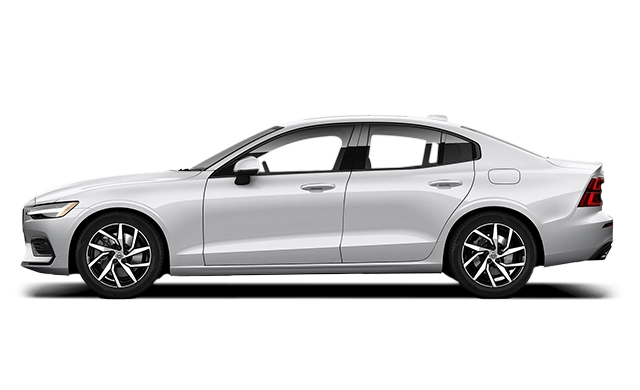
2018 Volvo S60 Owner's Manual

2018 Volvo S60 owners manual
Year:
2018
Make:
Volvo
Model:
S60
Rating:
(7)

Online manual

Size:
12.36 MB

Table of Contents

​
12
Searching for information
12
Categories
13
Favorites
13
Quick Guide
13
Navigating in an article
13
​
15
​
15
On-board owner's manual
15
The owner's manual in mobile devices
16
Footnotes
16
Risk of injury
16
Risk of damage to the vehicle
17
Procedures
17
Position lists
17
Bullet lists
18
Continues on next page
18
Continuation from previous page
18
Options and accessories
18
Shiftlock
18
Anti-lock Brake System (ABS)
18
Fuel filler door
18
Points to keep in mind
18
​
19
​
19
​
20
Maps
21
Mobile apps
21
Owner's manuals for earlier model Volvos
21
Contact
21
​
22
​
23
FSC®
23
Driver distraction
24
Accessory installation
24
​
25
Occupant safety reminders
28
Volvo customers in Canada
28
Transport Canada can be contacted at:
29
​
30
Seat belt pretensioners
30
Seat belt maintenance
30
Adjusting seat belt height (front seat belts only)
31
Seat belt retractor
31
When wearing the seat belt remember:
31
Unbuckling the seat belt
32
​
32
Rear seats
32
​
33
​
33
​
35
The front airbag system
35
Front airbag deployment
35
Airbag decals
37
​
38
Disabling the passenger's side front airbag
38
Modifications
40
​
41
Components in the SIPS airbag system
42
​
43
​
44
​
46
​
47
​
47
Volvo has some very specific recommendations:
49
When attaching the seat belt to a child seat:
51
Child restraint registration and recalls
51
Securing an infant seat with a seat belt
51
Securing a convertible seat with a seat belt
54
Securing a booster cushion
56
To access the anchors
57
Securing a child seat
59
Child safety locks – rear doors
60
​
63
​
65
Gauges and indicators: analog instrument panel
65
Function check
67
Current (instantaneous) reading
68
Available power
68
Fault in the Active Bending Light (ABL) system
69
Malfunction Indicator Light
70
Anti-lock Brake System (ABS)
70
Rear fog lights
70
Stability system
70
Stability system - Sport mode
70
Low fuel level
70
Information symbol
70
High beam indicator
70
Left turn signal indicator
70
Right turn signal indicator
70
Tire pressure monitoring system (TPMS)
70
Ecofunction on
70
Start/stop
70
Low oil pressure
71
Parking brake applied
71
Airbags – SRS
71
Seat belt reminder
71
Generator not charging
71
Engine temperature
72
Fault in brake system
72
Warning symbol
72
Reminder – doors not closed
73
​
73
Operation
73
EXITfunctions
74
​
74
Setting the clock
75
Inserting and removing the remote key
75
Inserting the remote keyNot necessary in vehicles with the optional keyless drive.
75
Removing the remote key
76
Ignition mode 0
76
Ignition mode I
77
Ignition mode II
77
Returning to mode 0
77
Starting and stopping the engine
77
Emergency towing
77
​
77
​
78
Power seat
78
Programming the seat's memory
79
Heated seats
79
Storing the positions of the power driver's seat/mirrors in the remote key
80
Returning the seat/mirrors to the stored positions
81
Emergency stop
81
Rear center head restraint
81
Automatically folding down the rear seat’s outboard head restraints
82
Folding down the rear seat backrests
83
Adjusting
84
Keypads and steering wheel paddles
84
Horn
84
​
85
​
86
Continuous high beam headlights
86
High beam flash
86
Models with an analog instrument panel
87
Models with a digital instrument panel
87
​
88
Cornering lightsCertain models only
89
Instrument lighting
90
\Theater\ lighting
90
​
90
​
91
​
91
​
92
When changing lanes
92
When turning
92
Overhead courtesy lighting
93
Courtesy lights/door step lighting
93
Glove compartment lighting
93
​
94
Trunk lighting
94
​
94
​
94
Windshield wipers off
95
Single sweep
95
Intermittent wiping
95
Continuous wiping
95
Windshield wiper service position
95
Activating and setting the sensitivity
96
​
96
Heated washer nozzles
96
High-pressure headlight washing
96
​
97
Tailgate wiper and reverse gear
97
Manual up/down
98
Auto up/down
98
Integrated rear sun shade
99
​
99
Adjusting
99
Tilting the door mirrors when parking
100
Home safe and approach lighting
100
Automatically tilting the door mirrors when parking
100
Automatic retraction when locking
100
Resetting to neutral
101
Auto-dim function
102
Operation
102
Calibration
102
​
103
Visor
103
Automatic opening
104
Manual opening
104
Manual closing
104
Automatic closing
105
​
105
Gate Operator/Canadian Programming
108
Resetting HomeLink Buttons
108
​
109
​
109
​
110
Analog instrument panel
110
Digital instrument panel
110
​
111
​
112
​
113
Functions
113
Information headings
114
​
116
Functions
116
Information headings
117
Average fuel consumption
118
Average speed
118
Current fuel consumption
118
Distance to empty
118
Trip odometer
118
Average speed and fuel consumption
118
Changing units
118
Function
119
Settings
119
Air conditioning
122
Side windows and moonroof
122
Fog on the inside of the windows
122
Vents in the parcel shelf
122
Temporary shut-off of the air conditioning
122
Ice and snow
122
Climate system maintenance
122
Refrigerant
122
Sensor location
123
Passenger compartment filter
123
Interior Air Quality System (IAQS)
123
Materials used in the cabin
124
​
124
​
125
​
125
Air vents in the dashboard
125
Air vents in the door pillars
126
​
127
Starting the seat heating automatically
128
Heated rear seats
128
Temperature control
129
Blower control
129
​
129
​
130
​
130
​
131
​
132
Timer
132
​
133
​
136
​
138
​
138
​
139
​
139
​
139
​
140
​
140
Using load carriers
141
​
142
​
143
​
146
​
146
​
147
Locking confirmation
148
Lock indicator
148
​
149
Buttons on the remote
149
​
150
​
151
Removing the key blade
151
Reinserting the blade
151
​
152
With the valet locking function activated:
153
Activating the valet locking function
153
Opening the remote key
154
Inserting a new battery
154
Closing the remote key
154
​
155
Locking the vehicle
155
Unlocking the vehicle
155
​
156
​
157
​
158
​
159
​
160
Unlocking
161
Locking
161
Indicator light in the lock buttons
161
Lock buttons in the rear side doors
161
Automatic relocking
161
Automatic locking
161
Unlocking/opening the trunk from the passenger compartment
162
Opening the trunk manually
163
Locking the trunk with the remote key
163
Opening the trunk from the inside (U.S. models only)
163
​
164
​
164
Arming the alarm
165
Disarming the alarm
165
​
165
​
166
Automatic re-arming
166
Remote key not functioning
166
Traction Control (TC)
168
Spin Control (SC)
168
Active Yaw Control (AYC)
168
Corner Traction Control (CTC)
168
Engine Drag Control (EDC)
168
Trailer Stability Assist (TSA)
168
Sport mode
169
Symbols and messages in the main instrument panel
170
Introduction
172
​
173
Speed alert
173
Sensus Navigation
173
​
174
Operation
174
Engaging the cruise control function
175
Setting a speed
175
Adjusting the set speed
175
Switching from ACC to CC
176
Switching from CC to ACC
176
Automatic deactivation
177
Temporary deactivation
177
Resume set speed
177
Deactivation
177
Radar sensor type approval
178
Function
179
Warning light—driver braking required
180
Steep inclines and/or heavy loads
180
Putting ACC in standby mode
181
Setting a speed
181
Changing the set speed
182
Setting a time interval
182
Standby mode (temporary deactivation)
183
Standby mode due to action by the driver
183
Automatic standby mode
183
Resuming the set speed
184
Turning ACC off completely
184
Passing another vehicle
184
Introduction
185
Enhanced speed interval
185
Automatic standby mode when ACC changes target vehicles
186
No automatic braking when at a standstill
186
The parking brake is applied automatically
186
The radar sensor and its limitations
187
Situations where ACC may not function optimally
187
Symbols and messages in the display
189
​
191
Introduction
192
Setting a time interval
193
Limitations
193
Symbols and text messages
195
​
196
Function
197
Using City Safety™
198
On and Off
198
Limitations
198
Troubleshooting
199
Symbols and messages in the display
201
The laser sensor
202
​
203
​
205
Collision Warning
205
Brake Support
205
Auto-brake
205
​
206
Activating/deactivating both warning signals
206
Activating/deactivating the audible warning signal only
206
Setting a warning distance
206
Checking settings
206
​
207
​
207
​
208
​
209
​
211
Fault tracing and actions
212
Maintenance
213
​
214
​
216
On/Off
217
Function
218
Limitations
218
Instrument panel
220
Center console display
221
Lane Departure Warning (LDW)Models with 5- or 6-cylinder engines only.
222
Operation and function
223
Settings
223
Limitations
224
Symbols and messages
225
LDW or LKA
227
LKA function
227
On/Off
228
Steering assist
229
Vibration warnings
229
Dynamic cornering
229
​
230
​
231
​
232
Visual indicator
232
Audible signal
233
Rear park assist
233
Front park assist
234
Activating/deactivating
235
Cleaning the sensors
235
Introduction
236
​
236
1: Searching and measuring
237
2: Backing into the parking space
238
3: Adjusting the vehicle's position
238
Information to keep in mind
239
Maintenance
239
​
240
Faults in the system
240
Introduction
241
Ambient lighting conditions
242
Zoom
242
Automatic zoom
242
Deactivation
243
Settings
243
Summary
243
Guiding lines
243
Marker lines
244
Vehicles equipped with Park Assist
244
Keep in mind
245
Radar sensor type approval
246
When does BLIS function
246
​
247
Activating/deactivating BLIS
247
​
248
When does CTA function
248
Limitations
248
Maintenance
249
​
250
​
252
​
254
​
254
Active functions
255
Deactivated functions
255
Message in the instrument panel display
255
​
256
​
257
Hill Start Assist (HSA)Certain models only
257
Shiftlock
258
Gear indicator
258
Reverse: position R
258
Neutral: position N
258
Drive: position D
258
While driving
259
Shiftlock: Neutral (N)
259
Geartronic: steering wheel paddles
260
Geartronic: Sport mode (S)Certain models only
261
Geartronic: starting on slippery surfaces
261
Shiftlock override
261
​
262
​
262
Auto-stopping the engine
263
Auto-starting the engine
263
Deactivating Start/Stop
263
​
264
​
264
​
265
Text messages
266
Introduction
267
Function
267
Combinations of On and Off
268
Activating Eco Coast
268
Deactivating Eco Coast
268
Eco Coastlimitations
268
Additional information and settings
268
​
269
​
269
Brake pad inspection
270
Power brakes function only when the engine is running
270
Water on brake discs and brake pads affects braking
270
Severe strain on the brake system
270
Cleaning the brake discs
270
Symbols in the instrument panel
271
​
271
Adaptive brake lights
272
Emergency Brake Assistance
272
Electric parking brake
273
Low battery voltage
273
Parking on a hill
273
Applying the electric parking brake
273
Manual release
274
Automatic release
274
Heavy load uphill
274
Symbol and messages in the instrument panel
276
​
277
​
278
Deposit control gasoline (detergent additives)
279
Alcohol – Ethanol
280
Minimum octane
280
TOP TIER Detergent Gasoline
280
Demanding driving
281
Fuel Formulations
281
Use of Additives
281
​
282
Manually opening the fuel filler door
282
Opening/closing the fuel cap
283
Three-way catalytic converter
283
Heated oxygen sensors
284
Economical driving conserves natural resources
284
Handling and roadholding
285
Trailer cable
287
Function
287
Facts about TSA
287
How TSAworks
287
​
288
​
288
Attaching the towing eyelet
289
​
289
Introduction
292
Tire rotation
292
New Tires
293
Tire age
293
Storing wheels and tires
293
​
294
Summer and winter tires
295
​
295
Changing a wheel
295
Spare tire
298
Spare wheel
298
Re-installing the wheel
299
Inflation placard
300
Tire inflation
300
Cold tires
301
To check inflation pressure:
301
Speed ratings
302
​
304
​
304
Curb weight
304
Capacity weight
304
Permissible axle weight
304
​
306
TREADWEAR
306
TRACTION
306
Determining which tire monitoring system is in your vehicle
308
Introduction
308
​
309
​
311
Messages
311
Erasing warning messages
311
​
312
​
313
Recalibrating TPMS (Canadian models only)
314
Activating/deactivating TPMS (Canadian models only)
314
Erasing warning messages
315
​
316
Introduction
316
Accessing the tire sealing system
316
Tire sealing system–temporarily repairing a flat tire
317
​
317
The Federal Clean Air Act – U.S.
324
Maintenance
324
Applicable warranties – U.S./Canada
324
Periodic maintenance helps minimize emissions
324
Each time the car is refueled:
325
Monthly:
325
As needed:
325
Hoisting the vehicle
326
How do states use OBD II for emission inspections?
327
How can my vehicle fail OBD II emission inspection?
327
Prerequisites
327
CSB menu access
328
Booking information and data from the vehicle
328
Booking service or repairs manually
328
​
328
My Appointments
328
Transmitting vehicle data
328
Booking information and vehicle data
329
Opening and closing the hood
329
​
330
Checking and adding oil
332
Checking the level
335
​
336
Removing the headlight housing
337
Reinserting the headlight housing
337
Removing the cover to access the bulbs
338
​
339
​
339
Extra high beamModels with optional Active Bending Lights only.
340
​
340
Backup lights
341
​
342
​
342
​
343
Removing the lens
343
Reinstalling the lens
343
​
343
​
344
Replacing the windshield wiper blades
345
Cleaning
345
​
346
​
346
Symbols on the battery
346
Handling
347
Maintenance
348
Removal
350
Rally bar R-Design models
350
Installation
351
​
351
​
352
Positions
353
​
355
Positions: fusebox A
355
Positions: fusebox B
356
​
358
Positions
358
​
359
Positions
359
​
361
Exterior components
361
​
362
​
363
Fabric
363
AlcanteraTMsuede-like material
363
Leather care
364
Cleaning leather upholstery
364
Protecting leather upholstery
364
Cleaning a leather-covered steering wheel
364
Cleaning the seat belts
365
Cleaning floor mats
365
Spots on interior plastic, metal, or wood surfaces
365
​
365
Color code
365
Minor stone chips and scratches
366
Repairing stone chips
366
Location of labels
369
List of labels
369
​
373
Engine specifications
375
Extreme engine operation
376
​
377
​
378
​
378
​
378
​
379
​
379
Introduction
381
Warning symbol
381
Information symbol
381
Warning symbols in the instrument panel
382
Indicator symbols in the instrument panel
383
Information symbols in the instrument panel
383
​
384
​
385
Related information
385

2018 Volvo S60 Overview

Introduction

The 2018 Volvo S60 is a stylish and refined sedan that seamlessly combines luxury, performance, and safety, hallmarks of the Swedish automaker. With its elegant lines and distinctive grille, the S60 makes a statement on the road while offering a comfortable ride for both driver and passengers. Whether navigating urban streets or open highways, this sedan adapts gracefully to various driving conditions, embodying Volvo’s commitment to innovation and quality.

Powertrains

The 2018 S60 features a range of powertrains to cater to diverse driving preferences. The standard 2.0-liter turbocharged four-cylinder engine offers a robust 240 horsepower, providing responsive acceleration and efficiency. For those seeking a more dynamic experience, the S60 T6 variant boasts a supercharged and turbocharged engine that unleashes an exhilarating 302 horsepower. All variants come with an 8-speed automatic transmission, ensuring smooth gear transitions and enhancing driving pleasure.

Trims

This model is available in several trims to accommodate different preferences and lifestyles, including the base S60, the sporty R-Design, and the luxurious Inscription. Each trim comes with unique features, allowing buyers to select a model that best suits their needs. The R-Design offers sport-inspired design elements and enhanced handling, while the Inscription focuses on supreme comfort and premium materials.

Features

The 2018 Volvo S60 is equipped with a wealth of modern technology and safety features. Standard options include a touchscreen infotainment system with smartphone integration, navigation, and a premium sound system. Safety is paramount, and the S60 is equipped with advanced driver-assistance systems, such as adaptive cruise control, lane-keeping assist, and City Safety collision avoidance technology, all designed to elevate driver awareness and protection.

Owner's Manual

The owner's manual for the 2018 Volvo S60 serves as a comprehensive guide for new owners, detailing vehicle maintenance, operation, and safety features. With clear instructions and helpful tips, it ensures that every driver can make the most out of their driving experience while keeping the vehicle in optimal condition. Access to the manual is typically available both in printed form and digitally, making it convenient and accessible.

User manual download

The Volvo S60 owner manual for the 2018 model year is to be found in PDF downloadable format on this page. The owner manual for the model year 2018 is free and in English, but the repair manuals are usually not easy to get and may cost more.

Posted by, John Mana author bio image
A passionate guy about car models, makes, and manuals.

Manual Questions

Do you have questions about the 2018 Volvo S60 owners manual?
Fill the form below and someone will help you!