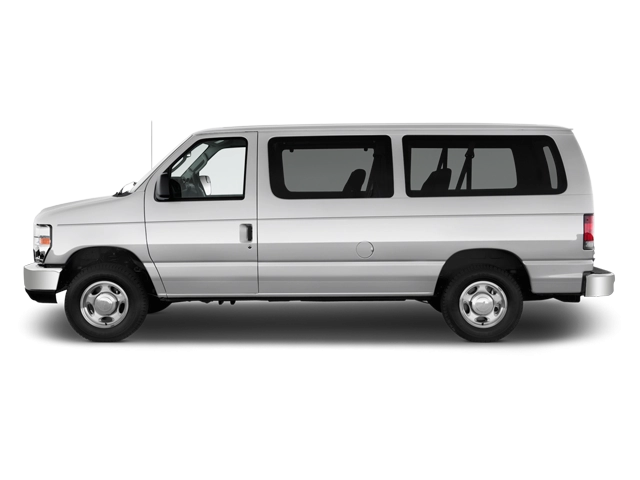
2027 Ford E Series Owner's Manual

2027 Ford E Series owners manual
Year:
2027
Make:
Ford
Model:
E Series

Online manual

Size:
4.81 MB

Table of Contents

Table of contents
5
Copyright ©
3
Introduction
11
About This Manual
11
Perchlorate
11
Ford Credit
11
Replacement Parts Recommendation
12
Special Notices
12
Mobile Communications Equipment
14
Symbols Glossary
15
Symbols Used on Your Vehicle
15
Data Privacy
18
Data Privacy
18
Service Data
19
Event Data
19
Settings Data
20
Connected Vehicle Data
20
Emergency Call System Data
21
Environment
22
Protecting the Environment
22
At a Glance
23
Instrument Panel
23
Child Safety
25
General Information
25
Installing Child Restraints
27
Booster Seats
31
Child Restraint Positioning
33
Seatbelts
35
Principle of Operation
35
Fastening the Seatbelts
36
Seatbelt Height Adjustment
38
Seatbelt Warning Lamp and Indicator Chime
38
Child Restraint and Seatbelt Maintenance
39
Seatbelt Extensions
39
Supplementary Restraints System
40
Principle of Operation
40
Driver and Passenger Airbags
41
Crash Sensors and Airbag Indicator
45
Airbag Disposal
46
Keys and Remote Controls
47
General Information on Radio Frequencies
47
Remote Control
47
Replacing a Lost Key or Remote Control
49
Doors and Locks
50
Locking and Unlocking
50
Security
52
Passive Anti-Theft System
52
Steering Wheel
53
Adjusting the Steering Wheel
53
Cruise Control - Vehicles With: Adaptive Cruise Control
53
Cruise Control - Vehicles With: Cruise Control
53
Information Display Control
54
Horn
54
Wipers and Washers
55
Windshield Wipers
55
Windshield Washers
55
Lighting
56
General Information
56
Lighting Control
56
Autolamps
57
Instrument Lighting Dimmer
57
Daytime Running Lamps - Vehicles With: Configurable Daytime Running Lamps
58
Daytime Running Lamps - Vehicles With: Daytime Running Lamps (DRL)
58
Direction Indicators
58
Interior Lamps
59
Automatic High Beam Control
60
What Is Automatic High Beam Control
60
Switching Automatic High Beam Control On and Off
60
Automatic High Beam Control Indicators
60
Overriding Automatic High Beam Control
61
Windows and Mirrors
62
Power Windows
62
Exterior Mirrors
62
Interior Mirror
63
Sun Visors
63
Instrument Cluster
64
Gauges
64
Warning Lamps and Indicators
67
Audible Warnings and Indicators
69
Information Displays
70
General Information
70
Information Messages
74
Climate Control
79
Manual Climate Control
79
Hints on Controlling the Interior Climate
79
Rear Passenger Climate Controls
80
Seats
82
Sitting in the Correct Position
82
Head Restraints
83
Manual Seats
83
Power Seats
84
Auxiliary Power Points
85
Auxiliary Power Points
85
Starting and Stopping the Engine
87
General Information
87
Ignition Switch
87
Starting a Gasoline Engine
88
Engine Block Heater
89
Fuel and Refueling
91
Safety Precautions
91
Fuel Quality
91
Running Out of Fuel
92
Refueling
93
Fuel Consumption
94
Engine Emission Control
96
Emission Law
96
Catalytic Converter
97
Transmission
100
Automatic Transmission
100
Rear Axle
105
Limited Slip Differential
105
Brakes
106
General Information
106
Hints on Driving With Anti-Lock Brakes
107
Parking Brake
107
Hill Start Assist
108
Traction Control
109
Principle of Operation
109
Using Traction Control
109
Stability Control
110
Principle of Operation
110
Using Stability Control
111
Parking Aids
112
Rear View Camera
112
Cruise Control
113
What Is Cruise Control
113
Switching Cruise Control On and Off
113
Setting the Cruise Control Speed
113
Canceling the Set Speed
114
Resuming the Set Speed
114
Cruise Control Indicators
114
Using Adaptive Cruise Control
114
Driving Aids
121
Driver Alert
121
Lane Keeping System
122
Steering
125
Pre-Collision Assist
126
Load Carrying
130
Load Limit
130
Towing
135
Towing a Trailer
135
Recommended Towing Weights
136
Essential Towing Checks
137
Towing the Vehicle on Four Wheels
143
Driving Hints
144
Reduced Engine Performance
144
Economical Driving
144
Breaking-In
145
Driving Through Water
145
Floor Mats
145
Roadside Emergencies
147
Hazard Flashers
147
Jump Starting the Vehicle
147
Transporting the Vehicle
149
Crash and Breakdown Information
151
Roadside Assistance
151
Post-Collision Braking
152
Automatic Crash Shutoff
152
Customer Assistance
154
Getting the Services You Need
154
In California (U.S. Only)
155
The Better Business Bureau (BBB) Auto Line Program (U.S. Only)
157
Getting Assistance Outside the U.S. and Canada
157
Ordering Additional Owner's Literature
159
Reporting Safety Defects (U.S. Only)
159
Reporting Safety Defects (Canada Only)
160
Fuses
161
Fuse Specification Chart
161
Changing a Fuse
170
Maintenance
172
General Information
172
Opening and Closing the Hood
172
Under Hood Overview
173
Engine Oil Dipstick
174
Engine Oil Check
174
Oil Change Indicator Reset
175
Changing the Engine Air Filter
176
Engine Coolant Check
177
Automatic Transmission Fluid Check
181
Brake Fluid Check
183
Power Steering Fluid Check
184
Changing the 12V Battery
184
Adjusting the Headlamps
186
Washer Fluid Check
188
Fuel Filter
188
Checking the Wiper Blades
188
Changing the Wiper Blades
188
Removing a Headlamp
189
Changing a Bulb
189
Vehicle Care
192
General Information
192
Cleaning Products
192
Cleaning the Exterior
192
Waxing
194
Cleaning the Engine
194
Cleaning the Windows and Wiper Blades
195
Cleaning the Interior
195
Cleaning the Instrument Panel and Instrument Cluster Lens
196
Cleaning Leather Seats
196
Repairing Minor Paint Damage
197
Cleaning the Wheels
197
Vehicle Storage
197
Wheels and Tires
200
General Information
200
Tire Care
201
Using Snow Chains
222
Tire Pressure Monitoring System
223
Changing a Road Wheel
228
Technical Specifications
235
Capacities and Specifications
236
Engine Specifications
236
Motorcraft Parts
237
Bulb Specification Chart
238
Engine Oil Capacity and Specification
239
Cooling System Capacity and Specification
240
Fuel Tank Capacity
241
Air Conditioning System Capacity and Specification
242
Washer Fluid Specification
242
Automatic Transmission Fluid Capacity and Specification
243
Brake Fluid Specification
244
Rear Axle Fluid Capacity and Specification
244
Hydraulic Power Steering Fluid Capacity and Specification
245
Vehicle Identification
247
Vehicle Identification Number
247
Connected Vehicle
248
Connected Vehicle Requirements
248
Connected Vehicle Limitations
248
Connecting the Vehicle to a Mobile Network
248
Connected Vehicle – Troubleshooting
248
Audio System
249
General Information
249
Audio Unit
249
Connecting a Bluetooth® Device
252
Streaming Bluetooth Audio
252
Playing Media From a USB Device
252
USB Port
253
Using Voice Recognition
253
Accessories
254
Accessories
254
Auxiliary Switches
255
Ford Protect
257
What Is Ford Protect
257
Scheduled Maintenance
259
General Maintenance Information
259
Normal Scheduled Maintenance
262
Special Operating Conditions Scheduled Maintenance
264
Customer Information
267
Rollover Warning
267
Radio Frequency Certification Labels
267
Warranty Information
267
Appendices
269
Electromagnetic Compatibility
269
Index
273

2027 Ford E Series Overview

Owner's Manual

An owner's manual is a concise, authoritative guide designed to help drivers operate, maintain, and troubleshoot their 2027 Ford E Series. It explains controls, instrument meanings, scheduled maintenance, safety precautions, and practical tips for maximizing reliability and resale value. Use it before first drive to learn seat and mirror adjustments, warnings, and recommended fluids. The manual is important for safe operation, correct servicing, and preserving warranty coverage.

Introduction

The 2027 Ford E Series blends rugged utility with modern comfort, engineered for commercial fleets and adventurous families alike. Redesigned chassis tuning, improved aerodynamics, and upgraded cabin materials create a vehicle that is both durable and refined. Its versatile cargo capacity, configurable seating, and advanced driver aids make the E Series adaptable across delivery, shuttle, contractor, and recreational roles while emphasizing fuel efficiency, uptime, and driver comfort and reliability.

Powertrains

A range of powertrains lets buyers balance performance and economy. Base models offer a torquey turbocharged inline-four tuned for low-end pull and improved mpg. Optional V6 and V8 engines provide higher towing and payload capacity, paired with an eight- or ten-speed automatic transmission. An electrified mild-hybrid system assists acceleration and idling efficiency, while a full battery electric variant delivers quiet, emissions-free operation with rapid charging capability for route duty.

Trims

Trim levels range from a work-ready base to a fully equipped premium model. The base trim emphasizes durability with easy-clean surfaces, reinforced cargo tie-downs, and heavy-duty cooling. Mid-level trims add comfort features such as improved seats, upgraded infotainment, smartphone integration, and driver assistance packages. The top trim includes leather-like upholstery, adaptive cruise, panoramic camera systems, and convenience options tailored to mobile businesses and executive transport while keeping serviceability straightforward.

Features

Standard and available features focus on utility, safety, and connectivity. Active braking, lane keeping assist, and automatic headlights enhance everyday protection, while optional trailer assist and cargo monitoring simplify commercial tasks. A configurable digital instrument cluster and a responsive central touchscreen support fleet telematics and route planning. Climate control, multiple power outlets, LED work lights, and interior storage make the E Series practical for long shifts, onsite work, and excursions.

User manual download

The Ford E Series owner manual for the 2027 model year is to be found in PDF downloadable format on this page. The owner manual for the model year 2027 is free and in English, but the repair manuals are usually not easy to get and may cost more.

Posted by, John Mana author bio image
A passionate guy about car models, makes, and manuals.

Manual Questions

Do you have questions about the 2027 Ford E Series owners manual?
Fill the form below and someone will help you!