Nissan Rogue Phev owners manuals
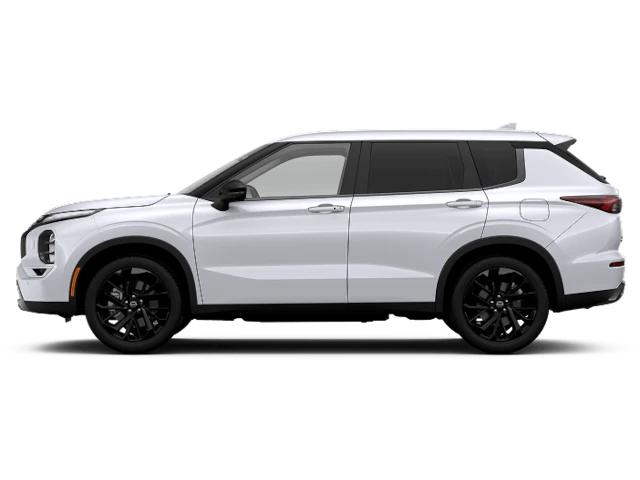
Nissan Rogue Phev specs
Owner Manual
The owner manual for the Nissan Rogue Phv is the primary reference for safe operation, maintenance schedules, and feature explanations. It explains dashboard indicators, charging procedures, hybrid operating modes, and recommended service intervals in plain language so owners can make informed decisions about daily use and long-term care. The manual also clarifies warranty coverage, safety systems, and the correct procedures for towing, emergency stops, and software resets. For new owners, reading key chapters—such as those on charging, battery care, and driver-assist systems—reduces the risk of misuse and helps avoid behaviors that could shorten component life. During routine maintenance or before long trips, the manual provides step-by-step checks for fluid levels, tire pressures, and lighting. When discussing repairs or diagnostics with a technician, quoting the manual’s specifications for fluids, torque values, or service intervals helps ensure work matches manufacturer intent. In short, the owner manual is both a safety guide and a living document that helps preserve vehicle value and performance when followed closely.
Model Overview
The Nissan Rogue Phv combines the compact crossover practicality of the Rogue lineup with a plug-in hybrid powertrain designed to deliver improved fuel efficiency and short-distance electric-only driving. It typically pairs a gasoline engine with an electric motor and a rechargeable battery pack, enabling silent EV mode operation at low speeds and assistive boost during acceleration. The cabin emphasizes comfort and cargo versatility, with modern infotainment, driver-assist technologies, and safety features tuned for daily commuting and family use. The Phv version aims to appeal to drivers who want the flexibility of an internal combustion engine for long trips while reducing fuel consumption and emissions on shorter, regular journeys. Packaging often balances passenger space with battery placement to maintain cargo room comparable to non-hybrid variants, and regenerative braking helps recover energy to extend electric range in urban use.
Trims
Trim offerings for the Rogue Phv are typically structured to provide a clear progression of features and value. Base trims focus on essentials—standard safety tech, efficient power delivery, and comfortable seating—while mid-level trims add conveniences like upgraded infotainment, driver-assist enhancements, and premium upholstery. Top trims emphasize luxury and technology, including larger wheels, a premium sound system, advanced navigation, heated and ventilated seating, and more comprehensive safety suites. Optional packages may offer charging accessories, enhanced climate control, and winter-oriented features. The trim strategy allows buyers to select a balance of efficiency, comfort, and technology based on budget and priorities, with each level supporting the core plug-in capability and hybrid powertrain characteristics.
Known Problems
As with many plug-in hybrids, some owners report areas to watch: reduced electric range over long-term use if charging habits are inconsistent, occasional charging connector recognition issues, and software quirks in energy-management displays. A few drivers have noted brake feel changes due to strong regenerative braking and the transition between electric and gasoline modes, which can require a short adaptation period. Infotainment glitches and smartphone integration hiccups also appear intermittently in owner reports. On the mechanical side, common minor concerns include sensor-related warnings and the usual wear items found on any compact crossover—brake pads, tires, and suspension bushings. Staying proactive with software updates and scheduled inspections mitigates many of these issues.
Maintenance Tips
Maintain the Rogue Phv by following the recommended service intervals for both the internal combustion engine and the hybrid system. Regularly inspect and top up hybrid coolant and engine fluids, and allow technicians to check high-voltage components according to the manual. Keep the battery healthy by using regular charging cycles rather than leaving the vehicle at very low or very high state of charge for prolonged periods. Monitor tire pressure and alignment to optimize range and handling, and have regenerative-brake settings checked if pedal feel changes. Update vehicle software when manufacturers issue patches, and address warning lights early to prevent small issues from becoming expensive repairs. Finally, store the vehicle in moderate temperatures when possible to protect battery longevity.
FAQs
Q: How far can the Rogue Phv drive on electric power alone? A: Electric range varies with driving conditions, climate, and accessory use; short commutes in moderate weather provide the best results. Q: Do I need special charging equipment? A: Standard home charging on a dedicated outlet is sufficient, though faster Level 2 chargers reduce overnight charging time. Q: Is maintenance more expensive than a conventional Rogue? A: Routine service is similar, but hybrid-specific inspections and occasional battery-related diagnostics can add costs; many owners see fuel savings offsetting this. Q: Will the battery need replacement? A: Batteries typically last many years; gradual capacity loss is normal and routine care plus software updates can extend useful life. Q: Can I tow with a Rogue Phv? A: Towing capacity and procedures vary by model year and trim—consult the owner manual for limits and precautions.
Nissan Rogue Phev PDF owner manual

Nissan Rogue Phev Manual Questions
Fill the form below and someone will help you!