Fiat Topolino owners manuals
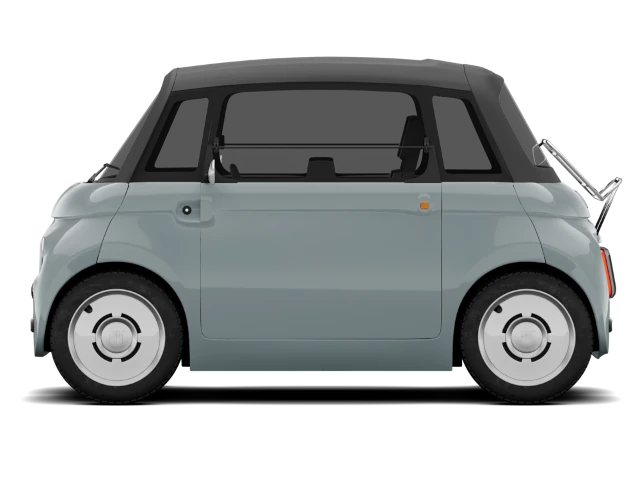
Fiat Topolino specs
Owner Manual
The owner manual for a Fiat Topolino is an essential reference that explains the car’s systems, safe operating procedures, and basic upkeep for owners and restorers. It typically outlines controls and instruments, starting and driving procedures for a small-displacement engine, recommended service intervals, and simple troubleshooting steps tailored to period mechanical systems. Beyond immediate use, the manual teaches owners how to interpret mechanical noises, identify wear signs, and follow correct lubrication and cooling practices specific to an air- or water-cooled small engine layout depending on model year. For collectors, the manual also clarifies torque settings, original fluid types, and recommended tire pressures that preserve authenticity and safety. In short, the owner manual serves both as a day-to-day guide for driving and as a preservation document that supports historically accurate maintenance and informed decisions during restorations.
Model Overview
The Fiat Topolino, produced from the mid-1930s into the mid-1950s, is one of Europe’s iconic city cars: compact, economical, and charmingly styled. Designed to provide affordable mobility, the Topolino features a very small footprint, lightweight construction, and a low-displacement four-cylinder engine that prioritized fuel economy over speed. Its simple mechanical layout—easy-to-access engine bay, straightforward carburetion, and basic suspension—made it popular in both urban and rural settings. The car’s modest performance and nimble handling suited narrow roads and tight parking, while its distinctive rounded front and compact proportions gave it a unique aesthetic that endures among vintage enthusiasts. Successive revisions updated braking, cooling, and interior comforts without altering the essential character of the model.
Trims
Though not offered in the modern sense of multi-trim lines, the Topolino was available in several body styles and specification levels that served different needs. Common variants included the two-seat saloon or coupe for everyday urban use, an open-top convertible or spider for a sportier feel, and a small estate or “Giardiniera” designed for carrying light cargo and utility tasks. Later iterations introduced modest improvements such as upgraded interiors, different seating arrangements, and varnished or chromed trim items that reflected changing tastes. Rather than distinct trim packages, differences were often a function of coachbuilder choices and optional extras—hood styles, windscreen types, and simple weather protection options—so collectors often refer to trim distinctions by body type and production series.
Known Problems
Common issues with the Topolino relate largely to age and the technology of its era: corrosion in body panels and chassis, worn suspension bushings, and brake components that require careful inspection. The small early engines can develop oil leaks from gaskets and seals and may suffer carburetor varnishing or inaccurate float settings after long storage. Electrical systems use simple wiring and generator-based charging that are prone to brittle insulation and poor ground connections. Cooling and overheating are less frequent than in high-output engines, but neglected cooling systems and clogged passages can cause thermal issues. Awareness of these weaknesses helps prioritize inspections and targeted restorations.
Maintenance Tips
Maintain a vintage Topolino by following a steady, conservative regimen: change oil and filter regularly with appropriate-grade lubricants, inspect and replace old rubber hoses and seals, and clean or rebuild the carburetor to ensure reliable idling and throttle response. Regularly check brake linings, wheel bearings, and suspension joints for wear and lubricate moving parts with light grease where specified. Rust prevention is crucial—inspect seams, sills, and underbody areas and treat or repair early. Keep the electrical system tidy: clean terminals, secure grounds, and consider period-accurate upgrades like sealed connectors to improve reliability. Store the car in a dry environment, run it periodically to circulate fluids, and use fuel stabilization if it will sit for extended periods.
FAQs
Q: Is a Topolino practical for modern roads? A: It is best used on low-speed, local routes and for vintage events; modern highways can be challenging. Q: What fuel does it use? A: Historically it ran on low-octane gasoline; modern operators often use regular pump fuel but beware of ethanol and consult a mechanic. Q: Are parts available? A: Many mechanical parts are reproduced or can be fabricated; specialist suppliers and classic Fiat communities are valuable resources. Q: Is it expensive to maintain? A: Routine costs are modest, but restoration and rust repair can be the largest expenses. Q: Does it hold value? A: Well-preserved Topolinos are sought after by collectors and generally hold or increase in value depending on rarity and condition.
Fiat Topolino PDF owner manual

Fiat Topolino Manual Questions
Fill the form below and someone will help you!