Jeep Wagoneer owners manuals
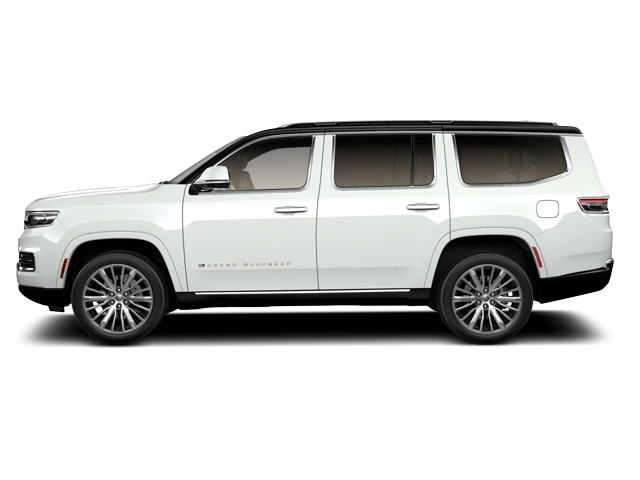
(owner manual)
(owner manual)
(owner manual)
(owner manual)
(owner manual)
Jeep Wagoneer specs
Owner Manual
The owner manual for the Jeep Wagoneer is a practical, safety-first handbook that explains how to operate, maintain, and troubleshoot the vehicle. It defines instrument panel icons and warning lights, describes proper use of driver-assist systems, seating adjustments, towing procedures, and the functions of infotainment and climate controls. Beyond immediate operation, the manual outlines recommended service intervals and fluid specifications, helping owners make informed decisions during routine maintenance or emergency stops. Reading the manual improves awareness of safety systems like airbags and stability control, reduces the risk of misuse, and preserves warranty coverage by clarifying approved maintenance actions. Keeping the manual accessible in the vehicle and consulting it before attempting repairs or system resets helps prevent damage and supports confident ownership.
Model Overview
The modern Jeep Wagoneer is a full-size SUV designed to blend spacious family utility with premium features and off-road capability. It shares its architecture with luxury-oriented variants but positions itself as the practical, value-focused choice within Jeep’s large-SUV lineup. Key attributes include three-row seating for up to eight passengers, robust towing capacity, a choice of powerful engines, and advanced safety and driver-assistance suites. Interior appointments emphasize comfort and technology: large touchscreens, configurable displays, and high-quality materials in upper trims. On the road the Wagoneer balances composed highway manners with the ability to traverse rougher terrain when equipped with appropriate drivetrain packages, making it a versatile option for buyers seeking both family transport and weekend adventure capability.
Trims
Wagoneer trims are configured to meet a range of priorities from basic capability to near-luxury appointments. Entry-level trims emphasize value with essential comfort and safety features and durable interior finishes. Mid-level trims add convenience items such as larger infotainment screens, upgraded upholstery, and extra driver aids. Higher trims focus on premium materials, advanced sound systems, massaging seats, and unique exterior accents. At the top of the lineup, luxury-oriented versions include enhanced suspension, distinctive badging, and exclusive color and trim combinations. Buyers can typically select options like towing packages, advanced off-road or air-suspension systems, and technology bundles to tailor the vehicle to specific needs.
Known Problems
As with any complex, modern SUV, some Wagoneer owners report recurring issues that are useful to be aware of. Electrical and infotainment glitches—such as intermittent screen freezes or connectivity hiccups—have been noted and often resolved with software updates. The vehicle’s substantial weight contributes to increased brake and tire wear compared with smaller SUVs. Some owners mention occasional air-suspension calibration or compressor irregularities on models equipped with adaptive ride systems. Fuel economy can be a disappointment relative to smaller competitors, and early production examples have seen minor build-quality inconsistencies that dealerships typically address through warranty service. Staying current with software and service bulletins helps mitigate many common complaints.
Maintenance Tips
Proactive maintenance keeps a Wagoneer reliable and retains resale value. Follow recommended oil and filter change intervals and use the grade of oil specified in documentation. Check tire pressure and rotate tires regularly to counteract heavy-vehicle wear patterns; alignment checks after off-road use preserve handling and tire life. Inspect brakes more frequently than on lighter vehicles, especially if towing. For models with air suspension, listen for unusual compressor activity and have seals inspected periodically. Keep software up to date to resolve infotainment and electronic-control quirks, and maintain battery health with periodic charging if the vehicle is stored. Document service history and address dashboard warnings promptly to avoid cascading problems.
FAQs
Q: How many passengers can the Wagoneer carry? A: Most configurations seat seven to eight people depending on whether second-row captain’s chairs or a bench is chosen. Q: Is the Wagoneer good for towing? A: Yes—properly equipped Wagoneers offer substantial towing capacity suitable for boats and trailers, but check the specific trim and towing package limits. Q: What fuel type is recommended? A: Regular or premium fuel depends on the engine option; consult specifications for the precise recommendation. Q: Is it suitable for off-road use? A: With the right drivetrain and options, it is capable off-road, though its large size means tight trails may be challenging. Q: How often should I update the software? A: Check for updates during regular service visits or when experiencing system issues; dealerships and service centers can apply updates as needed.
Jeep Wagoneer PDF owner manual

Jeep Wagoneer Manual Questions
Fill the form below and someone will help you!